The differences show up after you start: which medication you actually get, what the real monthly cost is, who is watching your dose, and what happens to the weight when the prescription ends. We put eleven programs against the same five criteria. The differences are bigger than the ads let on.
By the BestGLP1Protocols editorial deskUpdated August 28, 202612 min read
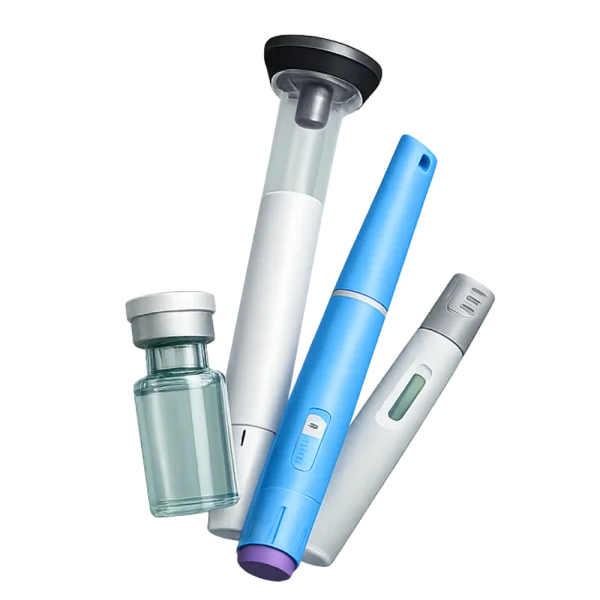
Fig. 1 · The formats
GLP-1 medications come as injection pens, autoinjectors, vials, and oral formulations. Which one you get, and at what dose, depends on the program you choose.
A note on the publisher: this guide is produced by the team behind Olive, which is also our No. 1. We believe the ranking stands on its merits, and you should read it knowing who wrote it. Costs are approximate cash-pay figures as of August 2026 and change often.
Part I
The Ratings
Eleven programs, one set of criteria, ranked from first to last.
Our Top Pick 9.8/10
1.
Olive Reset Protocol
Best overall · Best food-first program
9.8/10Editors' rating
The verdict: Olive is the only program on this list designed to get you off the medication after you lose the weight. Every other program treats the prescription as the product, which is why the weight tends to come back when it ends. Olive goes after the root cause instead. While a clinician-prescribed GLP-1 does the appetite work, the Olive app fixes the food you eat: you scan barcodes, see what is really in your food, and replace what put the weight on in the first place. The habits you leave with are built to outlast the prescription.
What works
The only program here designed to end with you off the medication
Goes after the root cause: fixes the food while the GLP-1 does the appetite work
Semaglutide and tirzepatide options, as an injection or oral drops
One of the biggest names in telehealth weight loss. Ro's program centers on brand-name GLP-1s such as Wegovy and Zepbound, and its insurance concierge does the prior-authorization fight for you. If you want the name-brand pen and you have coverage worth using, this is the strongest option.
What works
Brand-name Wegovy and Zepbound, not substitutes
Insurance concierge handles prior authorization
Established brand with a large clinical network
What doesn't
Brand-name cash prices are steep without coverage
Program fee comes on top of the medication
Light on food and habit support
Typical cost around $145/mo program fee, medication billed separately or through insuranceVisit Ro
3.
Mochi Health
Clearest pricing in the category
9.2/10Editors' rating
A flat membership, obesity-medicine clinicians, and medication billed at cost from partner pharmacies. Mochi has one of the clearest pricing structures in the category, and it includes dietitian visits, which almost nobody else does at this price.
Noom's psychology-based curriculum with prescribing added on top. You work the daily lessons while a clinician evaluates whether a GLP-1 makes sense for you. The behavior-change layer is the real product here, and it is the deepest one on this list after our top pick.
What works
Strong daily behavior-change curriculum
Medication path integrated into the same app
Years of iteration behind the psychology approach
What doesn't
Two subscriptions to track: Noom plus the Med add-on
Coaching is mostly chat-based
Medication costs separate and vary
Typical cost Noom membership plus a Med add-on, medication billed separatelyVisit Noom
5.
Hims & Hers
Fastest to start
8.9/10Editors' rating
The mass-market option. Weight-loss plans span oral medication kits and GLP-1 injections, priced as a flat monthly fee with no insurance required. The intake is fast and the pricing is simple. The trade-off is a lighter clinical relationship once you are on the medication.
What works
Fast online intake, quick time to first shipment
Flat pricing with no insurance paperwork
Oral options for the needle-averse
What doesn't
Lighter clinical follow-up than the clinic-style programs
Little structured food or habit support
Typical cost from around $165/mo depending on the planVisit Hims & Hers
6.
Found
Best medication matching
8.7/10Editors' rating
Prescribing plus coaching, with an emphasis on matching you to the right medication rather than defaulting everyone to the same drug. Found works across multiple medication classes, which matters if a GLP-1 turns out not to be the right tool for you.
What works
Matches across several medication classes, not just GLP-1s
Coaching and community included
What doesn't
GLP-1 access often costs extra on top of the base plan
Experience varies with the prescriber you get
Typical cost from around $129/mo, medication billed separatelyVisit Found
7.
Calibrate
Deepest coaching
8.6/10Editors' rating
A one-year metabolic reset built around one-on-one video coaching, with brand-name GLP-1s run through your insurance. It is the heaviest accountability structure on this list, and the longest commitment. Best for people who want a program, not just a prescription.
What works
One-on-one video coaching on a fixed cadence
Structured one-year curriculum
Insurance-first approach to brand-name medication
What doesn't
A year-long commitment with meaningful cost
Depends on your insurance cooperating on the medication
Typical cost around $199/mo on a one-year program, medication through insuranceVisit Calibrate
8.
LifeMD
Closest to a real clinic
8.4/10Editors' rating
A telehealth group with a dedicated weight-management arm. You get ongoing clinician access, lab work, and insurance navigation for brand-name GLP-1s. It feels closer to a virtual doctor's office than a weight-loss app, which is either the appeal or the drawback.
What works
Ongoing access to the same clinical team
Labs arranged as part of the program
Insurance navigation for brand-name medication
What doesn't
Program fee plus medication adds up
Less structure around food and habits
Typical cost around $129/mo program fee plus medicationVisit LifeMD
9.
Henry Meds
Best flat-rate pricing
8.3/10Editors' rating
One monthly fee covers the clinician visit and the medication. Cash-pay only, no insurance involved, no surprise pharmacy bill. Predictable is the whole pitch, and it delivers on it, though the flat fee is high if your insurance would have covered a brand-name option.
What works
Visit and medication in one flat fee
No insurance paperwork at all
What doesn't
Cash-pay only
Coaching and habit support are minimal
Typical cost flat monthly fee, roughly $250 to $450 depending on the medicationVisit Henry Meds
10.
Eden
Lowest cost of entry
8.1/10Editors' rating
A marketplace that routes you to independent clinicians and pharmacies, mostly cash-pay, with pricing that undercuts the bigger brands. You trade hand-holding for the lower price, so it suits people who already know what they want and mostly need access.
What works
Among the lowest entry prices in the category
Straightforward, fast process
What doesn't
Marketplace model means the experience varies
Minimal ongoing support
Typical cost from around $196/mo depending on the medicationVisit Eden
11.
WeightWatchers Clinic
Largest community
8.0/10Editors' rating
WeightWatchers' telehealth arm layers prescribing on top of the Points system and workshops. If you want a familiar structure and a large community around the medication, it is the only program on this list that has one. The program has changed shape several times recently, so check the current offer carefully.
What works
Points system and workshops around the medication
The largest community of any program here
What doesn't
Two-part cost: WW membership plus the clinic
Needs insurance for the medication to be affordable
Approximate cash-pay figures as of August 2026. Programs change pricing and medication availability often. Always confirm with the provider before you commit.
Part III
The Method
Every program is scored on the same five criteria. The weights reflect one belief: the prescription is the easy part, and what surrounds it decides whether the results last.
30%
Clinical oversight
Who evaluates you, who follows your dose, and what happens when something feels wrong. A real clinician relationship scores higher than a one-time approval.
25%
Beyond the prescription
Food, habits, coaching, community. The medication suppresses appetite while you take it. What the program builds around it is what you keep.
25%
Pricing transparency
Can you work out your real month-three cost before you hand over a card? Programs that quote one clear number score higher than ones that unbundle.
10%
Ease of start
Intake friction, time to first prescription decision, and how much of the process is genuinely online.
10%
Track record
How long the program has operated in its current shape, and how consistently it has delivered it.
Fig. 2 · The bias, stated
Our bias, stated plainly: programs that change what is in your kitchen outrank programs that only change what is in your syringe.
Part IV
How to Choose
Four questions that separate these programs faster than any ad will.
1.
Brand-name or not, decide first
Brand-name GLP-1s are FDA-approved and can go through insurance, but coverage is inconsistent and the cash price is steep. Non-brand routes cost less but the rules around them keep shifting. Ask any program exactly which medication you would receive, from which pharmacy.
2.
Total the real monthly cost
Membership fee, medication, labs, and visit fees are often quoted separately. Add them up for month three, not month one. Intro pricing is doing a lot of work in this category.
3.
Ask what happens at month twelve
GLP-1s suppress appetite while you take them. Ask the program what its plan is for maintenance, tapering, or stopping. A program with no answer is planning to keep you on it indefinitely.
4.
Look at what it does about food
The medication lowers appetite. It does not teach you what to eat, and studies consistently show most weight returns after stopping unless the eating changed too. Favor programs that work on the food, not just the prescription.
Part V
Questions from Readers
Short answers to the questions people actually ask. None of this is medical advice.
What is a GLP-1, exactly?
GLP-1 receptor agonists are prescription medications that mimic a gut hormone involved in appetite and blood sugar. The two you keep hearing about are semaglutide (sold as Ozempic and Wegovy) and tirzepatide (sold as Mounjaro and Zepbound). They were developed for type 2 diabetes, and some are FDA-approved for weight management. All of them are prescription-only.
Brand-name versus compounded, what is the difference?
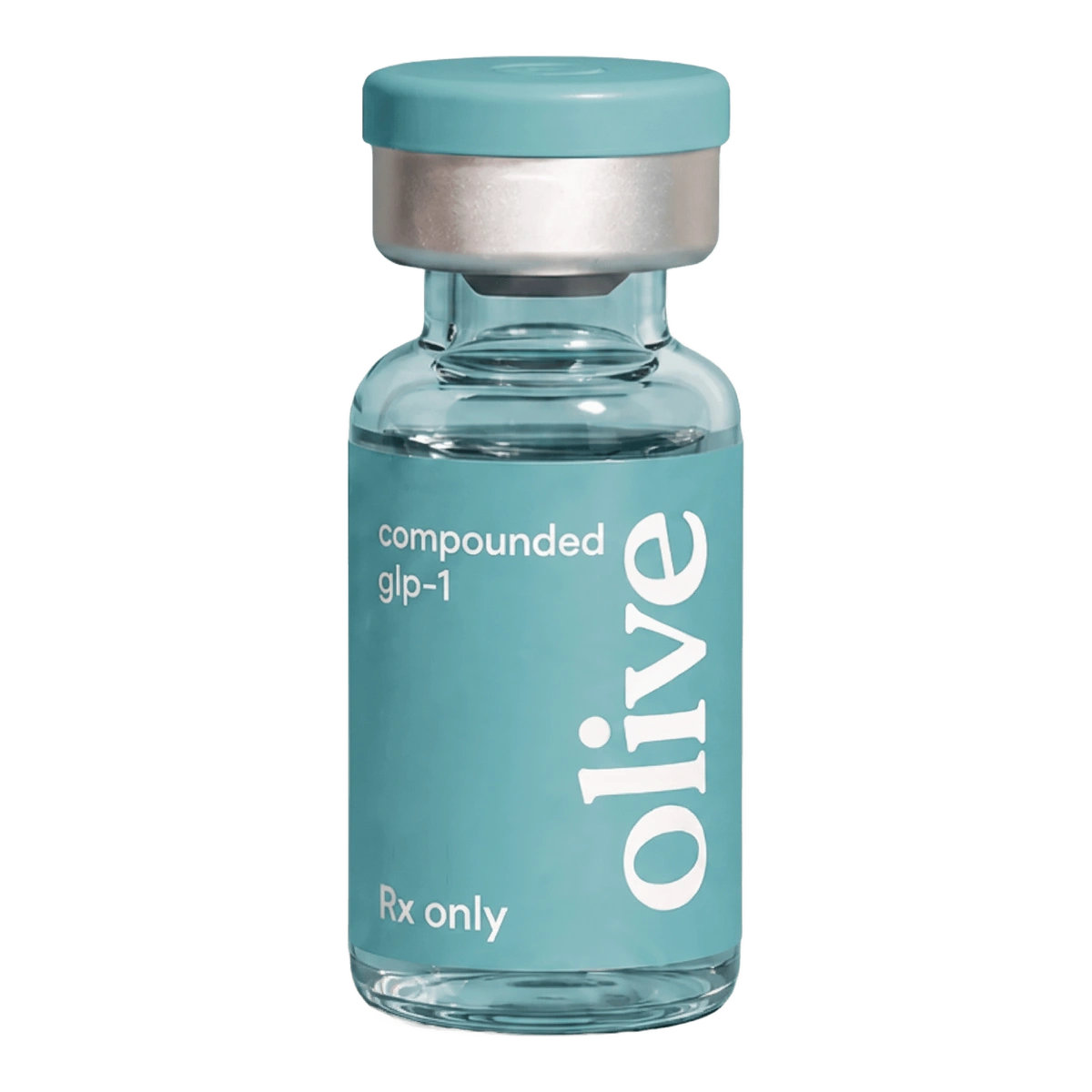
Brand-name medication comes from the original manufacturer and is FDA-approved. Compounded versions are prepared by pharmacies and are not FDA-approved. The rules around compounded GLP-1s tightened after the official shortages ended, and what programs can legally offer keeps changing. Whatever program you pick, ask which one you are actually getting and from which pharmacy.
What is microdosing a GLP-1?
Starting at a lower dose and increasing more slowly than the standard schedule, or holding at a lower dose than the label targets. Some clinicians use it to manage side effects or cost. It is an off-label approach and the research on it is still developing, so it is a conversation for you and your prescriber, not a decision to make from a website. Including this one.
Do I qualify for a GLP-1?
Typical prescribing criteria for weight management are a BMI of 30 or above, or 27 and above with a weight-related condition. But the number is not the decision. A licensed clinician looks at your history, medications, and goals, and every legitimate program on this page puts that evaluation before any prescription.
Will insurance cover it?
Sometimes, mostly for brand-name medication with prior authorization, and coverage varies wildly by plan and by state. Programs listed as insurance-friendly above will run that process for you. The flat-fee and marketplace programs skip insurance entirely and quote you a cash price instead.
What happens when I stop taking it?
Appetite generally comes back, and studies show most people regain a large share of the weight after stopping unless their eating and habits changed while they were on it. That is the single best argument for judging a program by what it does beyond the prescription, and it is why this guide weights the food side as heavily as the medication side.